A well built paver driveway feels like a permanent upgrade. It frames the house, carries daily traffic without rutting, and quietly manages Pasadena’s winter downpours. Get the foundation and drainage right, and you will still like it in 20 years. Cut corners, and you will chase weeds and wobbly edges within the first few seasons. I have rebuilt more driveways than I care to admit because the first installer skipped the unglamorous parts: soil testing, over‑excavation, and consistent compaction. The craft lives in those steps.
This guide folds the practical, jobsite details into a plan that fits our Southern California climate. You will learn where pavers shine versus concrete, how to spec the right base for Pasadena’s mixed soils, and what maintenance actually matters. Along the way, I will flag choices that align with water‑wise goals and classic neighborhood styles, from Craftsman bungalows in Madison Heights to Spanish Revival in Bungalow Heaven.
Why pavers make sense in Pasadena
Driveways in Pasadena contend with long, dry summers, heat spikes that cook the surface, and pulse storms during winter that expose any drainage flaw. Interlocking concrete pavers deal with movement better than a monolithic slab. Joints flex a little during minor soil shifts or when tree roots explore. If one unit breaks, you swap it. Freeze‑thaw is not our issue, but solar heat is. Lighter colored pavers reflect more light than dark concrete, which lowers surface temperature on those 95 degree September afternoons.
The style range also suits our streetscapes. A buff or sand tone pairs with stucco and clay tile, while tumbled charcoal borders complement shingle and river rock. If you are matching a historic home in San Marino or South Pasadena, pavers let you pull off a gracious look without locking yourself into brittle mortar joints.
The quiet foundation of longevity: subgrade, base, and compaction
Every long lasting paver driveway I have built in the San Gabriel Valley shared the same backbone. We respected the soil, we built the base to the load, and we compacted in thin lifts until the plate compactor sang.
Pasadena soils vary across short distances. In the Lower Arroyo you may find alluvial sandy loam. Closer to the foothills and in Altadena, clay content rises. Clay swells when wet and shrinks when dry, which is exactly what causes wavy driveways. If you are unsure, dig test holes at the driveway edges and midpoint. Roll a damp handful into a rope. If it holds a thin ribbon longer than two inches, plan a stiffer base and be more serious about drainage.
Most residential driveways handle passenger vehicles and light SUVs. If you park a heavy work truck or RV, you need to bump base depth. A common spec that works for our climate is 6 to 8 inches of compacted Class II road base over a firm, trimmed subgrade, topped with one inch of washed screed sand, then 60 to 80 millimeter pavers. On plastic clay or where the subgrade pumps when you walk on it, add a non‑woven geotextile fabric over the soil before the base. It spreads loads and keeps fines from migrating into your aggregate.
Compaction is where many crews cheat. Spread your base in 2 to 3 inch lifts, water each lift to reach optimum moisture, then run a vibratory plate compactor until you achieve a tight, unyielding surface. If you can twist your boot heel and leave a mark, it is not dense enough. I prefer a reversible plate in the 400 to 500 pound class for driveways. Two or three extra passes cost you 20 minutes now and save you months of grief.
Get the water off the driveway and into the landscape
Water wants a path. Give it one. In Pasadena’s winter storms, an inch of rain can fall overnight. A 20 by 40 foot driveway sheds about 500 gallons per inch of rainfall. Without planning, that water shoots to the sidewalk and street, which is hard on public infrastructure and your neighbor’s ankles.
Start with slope. Aim for a 2 percent fall away from structures, which is a quarter inch per foot. You can pitch to one side into a vegetated swale, a dry well, or a linear drain at the garage apron. If your site traps water at the property line, a narrow trench drain connected to a dry well in the front yard can reduce runoff. In hillside areas of La Cañada Flintridge or north Altadena, avoid discharging on steep slopes that could cause erosion. Where grades are tight, permeable pavers are a smart choice. They look like standard pavers but sit on an open graded base that stores and infiltrates stormwater. They cost more and require cleaner stone and more careful installation, but they keep water onsite, which supports Water‑Wise Landscape Design for Southern California Homes.
You may also reduce irrigation overspray that stains driveways. Smart Irrigation Systems for Pasadena Homes, especially those tied to local weather data, cut unnecessary watering and minimize mineral deposits on new pavers. If your project is part of a broader landscape overhaul, consider How to Plan a Landscape Renovation for Your Pasadena Home that routes driveway runoff into a bioswale planted with The Best California Native Plants for Pasadena Gardens, like deergrass, mugwort, and coastal sage scrub species.
Choosing pavers that fit your architecture and traffic
Paver selection involves more than color chips. Shape influences interlock strength, thickness relates to load, and surface treatment changes maintenance. For a typical residence, choose 60 millimeter thick pavers rated for vehicular use. If you park a loaded work van or service truck, 80 millimeter gives peace of mind. Herringbone patterns lock up under turning forces better than running bond, especially at the garage apron where tires scrub.
Smooth surfaces read modern and clean, but show tire marks more readily. Textured or tumbled pavers hide scuffs and feel at home with Craftsman and Spanish Colonial homes. Edge chamfers soften the look and minimize chipping. Colors in the cream, tan, and light gray family keep heat gain down, a real benefit in August. If you love dark tones, consider a blended mix with lighter aggregate to break up the heat island effect.
Sealers come in two broad camps: penetrating and film forming. In Pasadena, I like a breathable penetrating sealer that guards against oil drips without creating a shiny film that can get slick when wet. Apply after the polymeric sand has cured, usually a week in warm weather.
The curb transition and city rules
Do not forget the apron and sidewalk. Pasadena and most neighboring cities regulate work in the public right of way. The approach often must remain poured concrete to match city specs. You can usually set your pavers up to the property line and use a beveled concrete header or a soldier course as a clean transition. Always check with the Public Works Department before cutting the curb or regrading near the sidewalk. Expect permits for anything that alters drainage or city concrete.
A stepwise build that holds up
Here is a high level sequence that has worked for dozens of driveways across Pasadena and the San Gabriel Valley.
- Layout and elevations: Paint the footprint, pull stringlines to establish slope, and confirm clearances at garage and gates. Adjust to achieve 2 percent fall without exposing foundations. Excavation and subgrade prep: Remove existing concrete or asphalt. Over‑excavate to allow base, sand, and paver thickness. Trim subgrade, proof roll, and address soft spots by digging out and backfilling with compactable material. Install geotextile on clay or mixed soils. Base installation: Place Class II base rock in 2 to 3 inch lifts. Moisten and compact thoroughly, maintaining consistent slope. Set a stable edge restraint at perimeters with a concrete beam under the pavers, or a cast in place curb where appropriate. Bedding and laying: Screed one inch of washed concrete sand. Lay pavers in chosen pattern, keeping joints tight and running stringlines for alignment. Cut edge pieces with a wet saw for clean fits. Do not screed too far ahead in the heat, as the sand surface can dry and crust. Locking and finish: Sweep in polymeric joint sand, compact with a plate compactor using a protective pad, top up sand, and compact again. Blow off dust, lightly mist to set the polymer, and block the driveway from traffic per the sand manufacturer’s cure time.
Those five bullets look simple, but the craft hides in the small calls. For example, I avoid bedding sand thicker than an inch because thicker sand behaves like a cushion that moves under braking. I also run the compactor over the pavers in two perpendicular directions to settle them flat, then I top up sand and compact again. That second pass is the difference between joints that settle and joints that stay put.
Edging that actually restrains
Pavers need confinement. Without a reliable edge, the field migrates and joints widen. On driveways, plastic edge restraints staked into bedding sand are not enough. Pour a concrete beam along the edge, below the paver height, and lay the outer course into a fresh mortar set on top of that beam. It reads clean and resists wheel loads. Where a driveway meets a planter, a cast in place curb works well. If your design includes curves, set nails at tight intervals and hand shape the form for a true arc that does not kink under compaction.
Setting up for Pasadena’s trees
Shade from mature coast live oaks is pure gold, especially on south facing lots. These trees are protected in many jurisdictions, and rightly so. If your driveway runs under the dripline of a Coast Live Oak, keep the grade as close to existing as you can. Avoid cutting roots larger than two inches. Permeable paver sections over open graded stone can help deliver air and water to the root zone. For homeowners looking into Coast Live Oak Care for Pasadena Homeowners, partner with a certified arborist during layout. A small curve now to avoid a major root flare will save you from upheaval later.
Permeable pavers, infiltration, and rebates
Permeable pavers are a solid match for Water‑Wise Landscape Design for Southern California Homes. They manage storm pulses and reduce runoff that can carry pollutants to the Arroyo Seco. The build differs. Instead of compacted Class II base, you use open graded stone, usually 3 to 4 inches of 3/4 inch clean aggregate over another 4 to 8 inches of 1.5 to 2 inch stone, with a chokestone layer to set pavers. Joints are filled with small clean aggregate rather than polymeric sand. The system stores water between the stone voids and allows it to infiltrate into the native soil.
Check the SoCalWaterSmart Rebate Guide for Pasadena Homeowners for current incentives. Programs change, but turf replacement and high efficiency irrigation have long been supported. Permeable pavements sometimes qualify under stormwater management or green infrastructure categories, especially when paired with rain gardens. Do not bank on a rebate without a current confirmation. Rebates often require pre‑approval and inspections.
Pavers vs. Concrete for Pasadena driveways
People often ask if concrete would be easier. Sometimes it is. If you are chasing a minimalist modern ribbon driveway with tight control joints, poured concrete can be the right call. Still, for most residential use, pavers carry real benefits.
- Repairability and access: If a plumbing line beneath fails, you lift pavers, fix the line, and relay. Concrete demands sawcuts and patchwork that never fully blends. Heat and appearance: Light toned pavers run cooler underfoot and can be refreshed by relaying and cleaning. Concrete color fades, and integral color matching is tricky years later. Crack management: Control joints help, but Southern California clay soils still crack concrete between joints. Paver joints absorb movement without telegraphing a crack across the face. Traction and drainage: Slight texture and joints give pavers better traction during winter storms. Permeable variants can infiltrate water, which plain concrete cannot. Upfront cost: Pavers typically cost more installed. Where budgets are tight, a hybrid design, with concrete tire strips and paver or gravel infill, can capture the look at a lower price.
If you are also planning a patio, it is worth reading How to Choose Pavers for a Pasadena Patio and Paver Patio vs Concrete Patio: Which Works Better in Pasadena. Most of the same logic applies, though patios face less load and allow more playful patterns under pergolas or near Outdoor Kitchen Ideas for Pasadena Backyards.
Working around slopes and hillside driveways
Parts of Pasadena, South Pasadena, La Cañada Flintridge, and Altadena roll into the foothills. Driveways there may bend, change pitch, and meet the street at odd angles. Hardscaping for Hillside Homes in La Cañada Flintridge is mostly about retaining the base, not the pavers themselves. If the driveway edge drops, a low retaining curb or wall keeps the base from slumping after heavy rains. On steeper entries, incorporate landings every 8 to 10 feet of rise so a parked car has a flat spot and water can get intercepted before it gains speed. Where space allows, break up long slopes with cross drains that send water into terraces or planted areas. How to Prevent Erosion on a Pasadena Hillside Yard ties back to simple laws of physics: slow the water, spread it, and sink it.
Lighting, gates, and utility coordination
Do not pour all your focus into the surface and forget the infrastructure below and around it. Run low voltage conduit for Landscape Lighting Ideas for Pasadena Homes before base compaction. You cannot run wires directly in base rock and expect them to survive. Add a spare conduit or two for future needs, like automated gates or EV chargers. If you plan to light mature trees in the parkway or front yard, think through where transformers will live. Low‑Voltage vs Line‑Voltage Landscape Lighting for Pasadena Properties leans heavily toward low voltage near driveways for safety and code simplicity.
Mark gas, water, and electrical before you dig. Southern California’s 811 service makes this straightforward, but it takes a few business days. I also open the meter box and note the depth of irrigation supply lines, since shallow laterals often cross driveways and can be rerouted before demolition.
Finishing touches that keep your driveway looking new
Detailing separates a decent installation from a handsome one. I like a soldier or sailor border course in a contrasting tone, set dead straight along the street, then I bring that color into a single band at the garage. That little echo frames the whole space. If you have a Craftsman house, a tumbled edge reads right with river rock and stained wood. For Spanish Colonial, a warm buff field with a charcoal pencil border mirrors the dark iron and clay roof.
As the last step, inspect and adjust slope at the street, especially if the gutter is crowned or the apron sunk. Water should not pond where your driveway meets the public walk. It is easier to correct that pitch before the polymeric sand sets than after.
Maintenance that actually matters
Paver driveways do not need much. Keep joints full, keep weeds from seeding, and manage oil drips. Each spring and fall, I walk the driveway after the first dust‑settling rains. If I find open joints, I dry the area and sweep in more joint sand. If ants have colonized a spot, I treat the nest and come back with polymeric sand after a day or two. For oil stains, a poultice with an absorbent powder and a degreaser lifts most of it. Avoid power washing at high pressure that can blast out joint sand.
If a few units settle near the wheel path after a wet winter, do not panic. Pry up the pavers, add and compact a little bedding sand, and relay. You can do this with a rubber mallet and a patient hour. The fix beats staring at a concrete crack that you cannot unsee.
Integrating the driveway into a low‑maintenance landscape
A driveway is part of the front yard, not a separate slab. Tie it into a Drought‑Tolerant Design for South Pasadena Craftsman Homes or a Water‑Wise Landscape Design for Southern California Homes by shaping mild swales and planting the margins with climate adapted species. The Best California Native Plants for Pasadena Yards include manzanita cultivars for architectural form, deergrass for movement, and California lilac for spring bloom. A California Lilac Care Guide for Pasadena Gardens will remind you to avoid summer water once established, which also keeps roots from exploring under hot paving.
If you are replacing a thirsty lawn, How to Replace Your Lawn With Drought‑Tolerant Plants in Pasadena pairs well with a new driveway. You can often reclaim 20 to 30 percent of the old turf area for permeable planting pockets that accept driveway runoff. For irrigation, Best Irrigation Tips for Los Angeles Climate and How to Set Up Drip Irrigation in a Pasadena Garden will help you avoid overspray onto the new pavers. Drip lines near the driveway should sit 12 to 18 inches back from the edge to prevent salt spray and slime.
Common mistakes I still see
I wish I could say these are rare, but I still fix them.
- Thin base on clay: Four inches of base over a shrink‑swell soil will settle. Budget the full 6 to 8 inches compacted depth or more, and consider geotextile. No edge restraint: The field creeps and gaps widen at the sides. Use a concrete beam or curb. Flat or back‑pitched sections: Water puddles against the garage or walkway. Recheck slopes with a level and stringline every few rows. Rushing polymeric sand: Flooding it with water or compacting only once leaves soft joints. Follow the bag, and let it cure. Ignoring the public apron: You need permits and city standards. Work without them and expect to redo it.
These are not glamorous problems, but they are the ones that age a driveway early.
Timing your project for Southern California weather
The Best Time to Start a Landscaping Project in Southern California is typically fall through early spring. Cooler weather helps your crew work longer days. Winter rains test your drainage immediately, which is either nerve wracking or educational, depending on your confidence. Summer works, but plan shorter work windows, shade canopies for workers, and careful moisture management for base compaction. If you add plants, fall is best for establishing Drought‑Tolerant Landscaping Ideas for Pasadena Homes since roots grow through winter without fighting heat.
Budget ranges and where to invest
Costs vary by access, removal of existing materials, base depth, and paver choice. In Pasadena, a straightforward 800 to 1,000 square foot driveway with a 6 to 8 inch base and quality pavers might land in a mid to high range per square foot, installed by a reputable crew. Permeable systems add for the specialized base and clean stone. Spend money on excavation, base, compaction, and drainage first. You can save by choosing a standard paver shape and a single border rather than an elaborate inlay. The base is buried, but it is your actual product.
When to hire help and how to vet a contractor
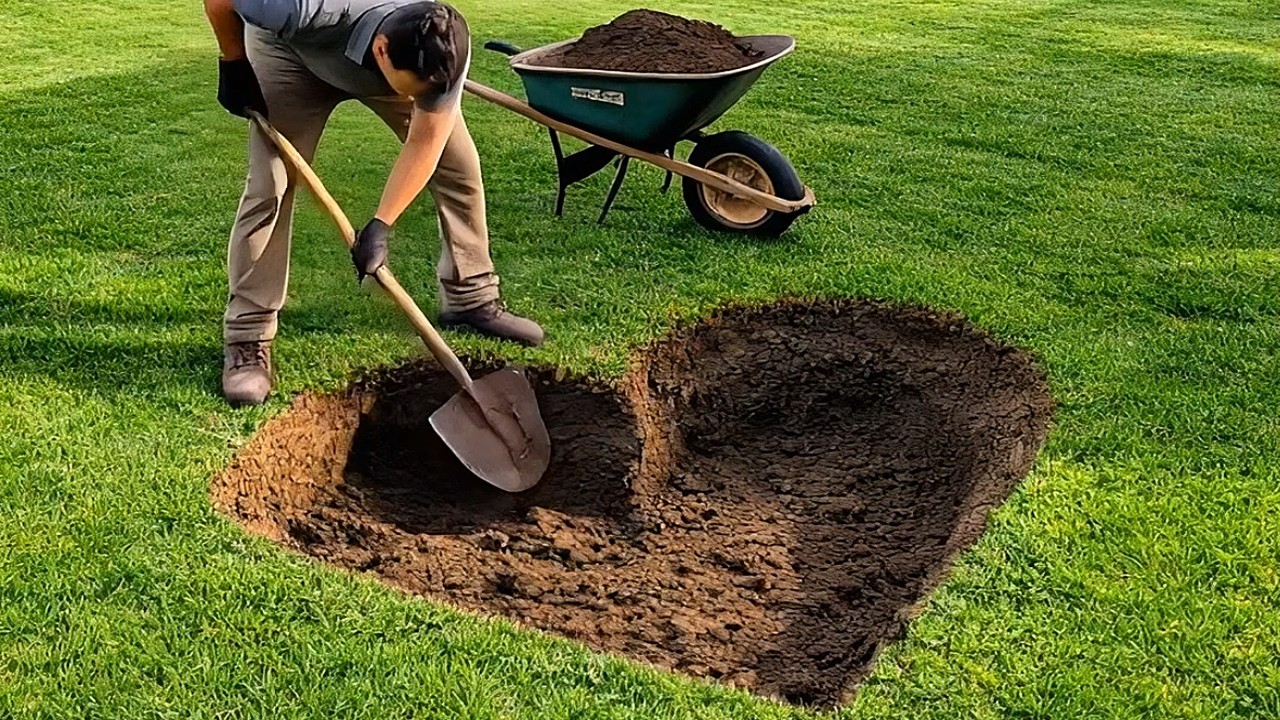
Some homeowners love a hands‑on project. If you have time, tools, and a patient streak, you can tackle a smaller walkway or patio. For a driveway, the weight of vehicles and the interface with the sustainable landscape design pasadena street tip the balance toward hiring. Ask to see a recent driveway the contractor built and an older one five or more years old. Check if the joints are still tight, the borders straight, the slopes clean. Quiz them on base depth and how they plan to handle your site’s specific soil. A pro will explain their sequence without hedging. If you are exploring Ridgeline Top Hardscaping Ideas for Pasadena Climate or The Best Hardscape Materials for Southern California Homes, look for teams who speak fluently about drainage, soil behavior, and plant integration, not just color and pattern.
Bringing it all together
A long lasting paver driveway in Pasadena succeeds because of respect for water and soil, not just pretty pavers. Set a clear slope, build a dense base, restrain the edges, and integrate the surface with a drought wise landscape that accepts and uses runoff. Think like a steward, not just a stylist. Your driveway will look good, perform quietly, and earn compliments long after the crew has left, which is the true test of any hardscape.
If the project sparks bigger ideas, such as a shade structure, fire feature, or outdoor kitchen, it is not a bad moment to look at Pergola Design Ideas for Pasadena Properties, Fire Pit Design Ideas for Southern California Homes, and The Best Outdoor Kitchen Materials for Pasadena Climate. Planning the driveway with those future pieces in mind helps avoid digging up what you just perfected.