Introduction to Wildlife-Focused Landscape Design
Creating landscapes that support wildlife not only enriches biodiversity but also promotes ecological balance and environmental stewardship. Natural landscaping transforms ordinary green spaces into biodiversity hotspots, providing essential habitats for urban wildlife and fostering healthy ecosystems.
Designing with wildlife in mind involves understanding habitat requirements, integrating native plants, and ensuring connectivity between green spaces. These efforts contribute to restoring native fauna diversity, improving soil health, and sustaining vital ecosystem services within urban and suburban environments.
Choosing Native Plants for Wildlife Habitats
Selecting native plants is foundational to successful wildlife-focused landscape design. Native shrubs, wildflowers, grasses, and prairie plants are adapted to local climates and soils, making them resilient and supportive of native wildlife.
Incorporating seasonal blooms ensures continuous food sources throughout the year for pollinators and other fauna. Wetland plants add valuable habitat for amphibians and insects, while food plants provide nutrition for birds, mammals, and butterflies.
Benefits of Using Native Vegetation
- Habitat Restoration: Native plants help reestablish natural habitats disrupted by urbanization. Fauna Diversity: They attract a wide range of insects, birds, and animals, increasing garden biodiversity. Soil Health: Native species promote soil microbiome health and prevent erosion. Biodiversity: Supporting native plants enables balanced predator-prey relationships vital for ecosystem stability.
Designing Pollinator and Butterfly Gardens
Pollinator and butterfly gardens are crucial elements for sustaining insect habitats. Incorporate nectar plants and native wildflowers that bloom sequentially to provide continuous nourishment for bees, butterflies, and other pollinators.
Building insect hotels offers shelter and breeding spaces, enhancing insect populations naturally. Thoughtful plant placement encourages pollinator movement, boosting plant reproduction and garden health.
Providing Shelter and Nesting Sites
Wildlife shelters are essential to offer refuge from predators and harsh weather, supporting breeding and resting needs. Birdhouses and nesting boxes encourage cavity-nesting birds to inhabit your garden, enhancing avian diversity.
Bat boxes provide safe roosting spots for bats, which aid in controlling insect populations. Predator shelters, such as brush piles or log stacks, create microhabitats for small mammals and reptiles, strengthening habitat complexity.
Incorporating Water Features for Wildlife
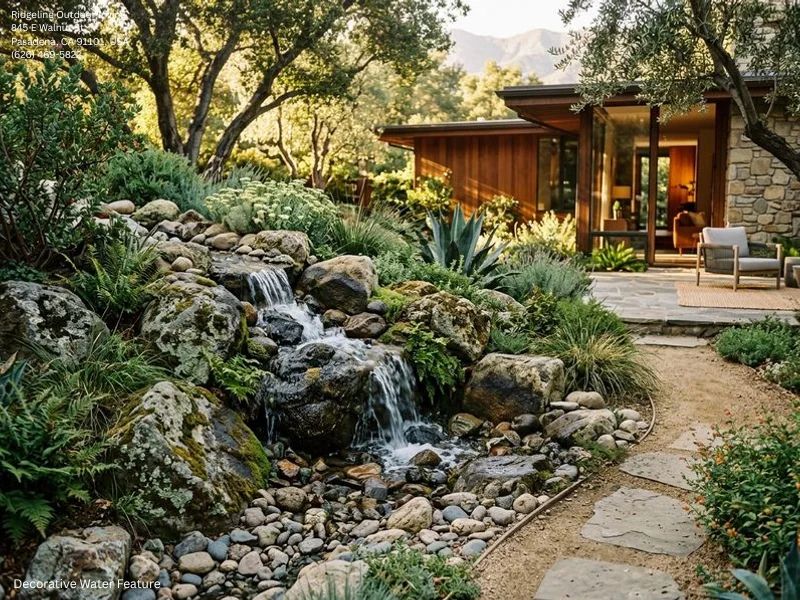
Natural ponds and rain gardens serve as vital water sources and amphibian habitats, attracting frogs, dragonflies, and birds. Rainwater harvesting integrates sustainable water management, conserving resources while supporting wildlife hydration and breeding needs.
Design water features with gradual slopes and varied edges to accommodate different species safely and promote healthy aquatic ecosystems.
Creating Habitat Corridors and Connectivity
Habitat corridors enhance wildlife movement and genetic exchange between fragmented green spaces. Integrating hedgerows, canopy trees, and dense ground cover forms continuous pathways, enabling animals to traverse safely across urban landscapes.
Microhabitats within these corridors offer diverse niches for various species, contributing to overall habitat connectivity and ecological health.
Sustainable Gardening Practices for Wildlife
Organic gardening practices foster healthier ecosystems by eliminating harmful chemicals and promoting natural pest control. Composting areas recycle garden waste, enriching soil fertility and supporting the soil microbiome.
Using natural mulch and leaf litter conserves moisture, protects soil, and provides habitat for beneficial insects. Xeriscaping reduces water usage while maintaining attractive, wildlife-friendly gardens. Choosing eco-friendly materials further minimizes environmental impact.
Enhancing Food Sources and Wildlife-Friendly Fencing
Incorporate diverse food plants Ridgeline Outdoor Living landscapers in pasadena such as berry-producing shrubs and seed-bearing flowers to nurture local fauna. Bird feeders supplement natural diets during scarce seasons, attracting a variety of bird species.
Wildlife-friendly fencing designs balance property protection with animal movement needs, featuring gaps or low barriers that allow smaller creatures to pass while keeping larger animals secure.
Observing and Promoting Fauna Diversity in Your Garden
Regular wildlife observation helps track fauna diversity and ecosystem health. Creating biodiversity hotspots encourages a wide range of species to thrive. Installing bird feeders, insect hotels, and water stations invites frequent visits from diverse animals.
Monitoring changes over time allows gardeners to adapt practices and improve habitat restoration efforts effectively.
Seasonal Care and Maintenance for Wildlife Habitats
Maintaining seasonal blooms supports continuous food supply through changing seasons. Periodic soil health assessments and amendments ensure optimal growing conditions for native vegetation.
Habitat restoration is an ongoing process; pruning, mulching, and refreshing water features keep environments safe and attractive to wildlife year-round.
FAQ
What are the best native plants for attracting pollinators?
Native wildflowers like coneflowers, milkweed, black-eyed Susan, and goldenrod are excellent choices. Including a variety of flowering times ensures food availability across seasons.
How do I design a garden that supports bird and bat populations?
Provide a mix of nesting boxes, bat boxes, food plants, and water sources. Ensure safe shelter through dense shrubs and predator shelters to encourage habitation.
Can small urban gardens effectively support wildlife habitats?
Yes, even small gardens can create microhabitats by incorporating native plants, water features, and shelters, making meaningful contributions to urban wildlife conservation.
What maintenance is required for a wildlife-friendly landscape?
Regular composting, mulching, watering during dry periods, seasonal pruning, and monitoring invasive species are key to sustaining healthy habitats.
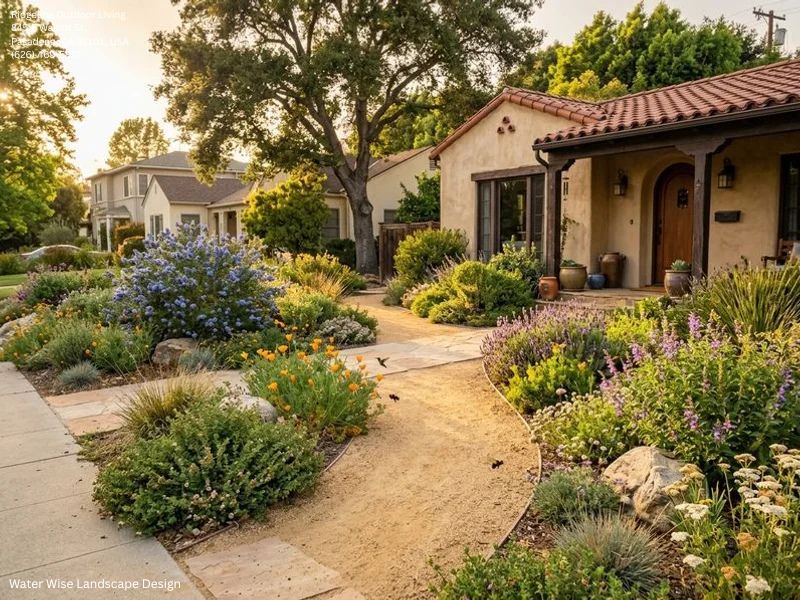
How do water features benefit wildlife in a garden setting?
They provide hydration, breeding grounds for amphibians, and attract numerous species, enhancing biodiversity and ecosystem function.
Are there any plants or materials I should avoid when creating a habitat-focused garden?
Avoid invasive plants that outcompete natives and synthetic chemicals that harm beneficial insects and soil health. Choose eco-friendly materials to maintain environmental safety.
How can I protect my garden from invasive species while supporting native wildlife?
Regularly monitor plants, remove invasive species promptly, and prioritize planting native varieties to provide natural resistance and balanced ecosystems.
What are habitat corridors, and why are they important for wildlife?
Habitat corridors are green pathways connecting fragmented habitats, allowing safe movement and genetic exchange between wildlife populations, critical for long-term species survival.
Conclusion
Designing landscapes focused on wildlife habitats enriches biodiversity, supports ecological balance, and fosters environmental stewardship. By choosing native plants, providing shelter and water, creating habitat corridors, and practicing sustainable gardening, you can transform your outdoor space into a thriving sanctuary for wildlife.
Whether you’re a homeowner, landscape architect, or conservation enthusiast, embracing these principles contributes to healthier ecosystems and a more vibrant connection with nature. Start planning your wildlife-friendly garden today and witness the remarkable benefits it brings for both wildlife and people.